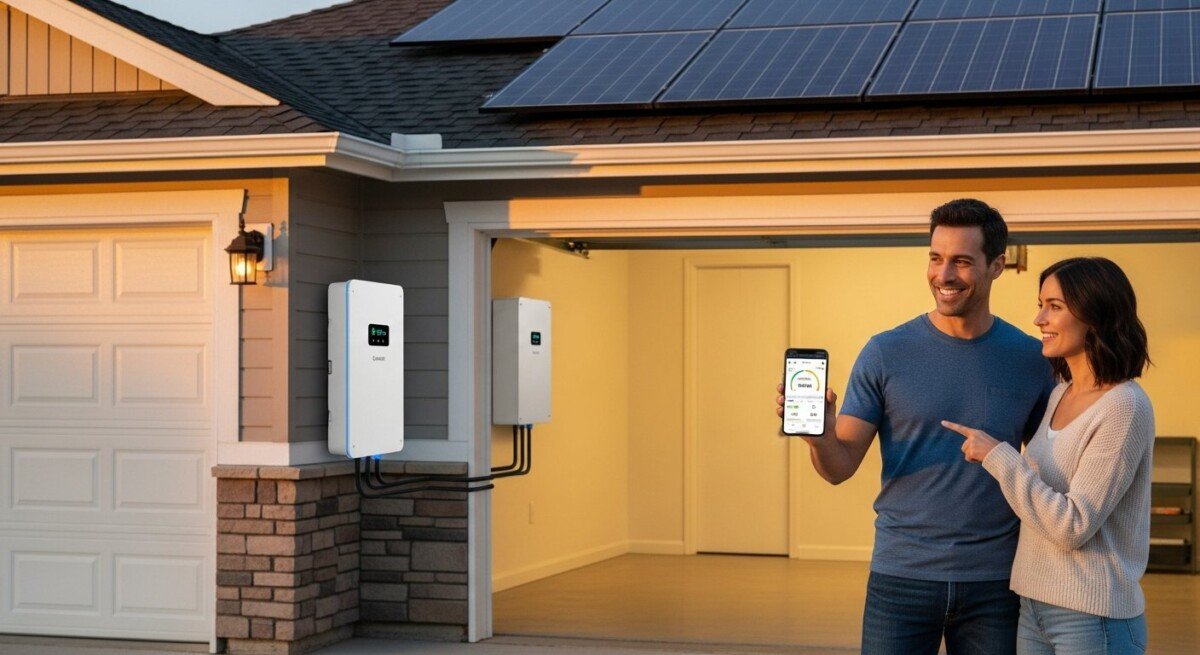
What Is Solar Automation System and How It Slashes Bills
Learn what is solar automation system and how it slashes electricity bills with smart energy management. A clear guide for homeowners considering solar.

By Ryan Brooks
Learn more about Solar Panel Installation and Repair for guides, costs, and what to expect.
Compare Solar Panel Installation and Repair Pros Near You

Enter your ZIP code to compare top-rated local professionals and request free quotes.
You open your monthly electricity bill and feel a familiar knot in your stomach. Rates keep climbing, and it feels like your hard-earned money is disappearing into the grid. This is why more homeowners are searching for “what is solar automation system” , a smart technology that pairs solar panels with intelligent controls to cut energy costs automatically. Instead of just installing panels and hoping for the best, a solar automation system actively manages your home’s energy use, slashing bills and reducing your reliance on the power company.
Understanding What Is Solar Automation System
In simple terms, a solar automation system combines solar panels with smart software and hardware that monitors and controls your energy consumption. Think of it as a brain for your solar setup. It tracks how much electricity your panels generate, how much your home uses, and when to draw power from the grid or your battery storage.
For example, on a sunny afternoon when your panels produce more energy than your home needs, the system can automatically divert that excess power to charge a battery or run high-energy appliances like your water heater or pool pump. At night, when the sun goes down, the system pulls stored energy from the battery instead of buying expensive grid electricity. This intelligent management is the core of what makes solar automation so effective for reducing electricity bills.
How It Works in a Real Home
Most systems include a central controller that connects to your inverter, battery, and smart appliances. The controller uses real-time data and sometimes weather forecasts to make split-second decisions. For instance, if the forecast predicts clouds tomorrow, the system might conserve battery power tonight instead of running the dishwasher. This level of precision is why more homeowners are choosing automated setups over basic solar installations.
Why Solar Energy Is Becoming More Popular
Electricity prices have risen steadily across the United States, with many homeowners seeing increases of 3-5% per year. Solar energy offers a way to lock in a lower, predictable rate for decades. At the same time, concerns about climate change are pushing families to reduce their carbon footprint without sacrificing comfort or convenience.
The financial case for solar has never been stronger. Federal tax credits, state rebates, and net metering programs can cut the upfront cost by 30% or more. Over 20-25 years, a typical solar system can save a homeowner $20,000 to $50,000 on electricity bills. When you add automation, those savings grow because the system optimizes every kilowatt-hour.
If you are considering solar power for your home, comparing installation quotes can help you understand your options. Request a free solar quote or call (800) 555-0199 to learn more.
Common Questions Homeowners Have About Solar
Many homeowners worry about the upfront cost of solar panels. The average residential system costs between $15,000 and $25,000 before incentives, but financing options and tax credits make it more accessible. Another common concern is roof suitability , not every roof faces the right direction or gets enough sunlight.
Performance in cloudy weather or during winter also raises questions. Solar panels still generate electricity on overcast days, just at a reduced rate. A solar automation system helps by prioritizing battery storage when production is low. Below are frequent questions homeowners ask before going solar.
- Will solar work on my roof? Most roofs with southern, eastern, or western exposure and minimal shading work well.
- How long do panels last? Quality panels come with 25-30 year warranties and often produce power for 40+ years.
- What happens during a power outage? With battery storage and automation, your system can keep critical loads running.
- Do I need to clean the panels? Rain usually keeps them clean, but occasional washing can boost output.
- Is solar worth it if I’m selling my home soon? Solar can increase home value by 4-6%, making it a smart investment.
How Solar Panel Installation Works
The installation process is straightforward when you work with a professional installer. First, a technician visits your home to assess your energy usage, roof condition, and sunlight exposure. This assessment determines the right system size and design for your needs.
After the design is complete, the installer handles permits and approvals from your local utility and government. This step ensures your system meets all safety and code requirements. Once permits are in place, the physical installation takes one to three days, followed by inspection and grid connection.
- Home energy assessment , Review your bills and inspect your roof.
- System design , Choose panels, inverter, battery, and automation controller.
- Permits and approvals , Utility and local permits are filed.
- Panel installation , Mount panels, wire inverter, and install battery.
- System activation , Turn on the system and test automation features.
Speaking with experienced installers can help you determine the best solar solution for your home. In our guide on what is solar automation system, we explain how to choose the right components. Compare solar quotes here or call (800) 555-0199 to explore available options.
Signs Your Home May Be Ideal for Solar
Not every home is a perfect candidate for solar, but most are. The ideal home has a south-facing roof with little to no shade from trees or buildings. If your roof is older than 15 years, you may want to replace it before installing panels.
High electricity bills are another strong indicator. If you pay more than $100 per month, solar will likely save you money. Also, if you plan to stay in your home for at least 5-7 years, the long-term savings will outweigh the upfront cost.
- Strong sunlight exposure , At least 4-5 hours of direct sun daily.
- High electricity bills , Monthly bills over $100 make solar cost-effective.
- Suitable roof space , 300-500 square feet of unshaded roof area.
- Long-term home ownership plans , Staying 5+ years maximizes returns.
- Good roof condition , Roof should be in good shape or recently replaced.
What Affects Solar Installation Costs
System size is the biggest cost driver. A 6 kW system costs less than a 10 kW system, but your energy needs determine the right size. Equipment quality also matters , premium panels and inverters cost more but produce more power and last longer.
Installation complexity can increase costs if your roof is steep, has multiple angles, or requires electrical panel upgrades. Local incentives and rebates can significantly lower the net price. Many states offer performance-based incentives that pay you for the energy your system produces.
The cost of solar installation varies depending on your home and energy needs. Request personalized solar quotes or call (800) 555-0199 to see what options are available.
Tips for Choosing a Reliable Solar Installer
Not all solar installers are created equal. Look for companies with at least 3-5 years of experience and positive reviews from homeowners in your area. A reputable installer will provide a detailed quote that includes equipment specifications, warranties, and estimated savings.
Warranties are critical. Insist on a 25-year warranty on panels and at least a 10-year warranty on the inverter and labor. Read customer reviews on platforms like Google and the Better Business Bureau to gauge satisfaction. Most importantly, compare quotes from at least three installers to ensure you get fair pricing.
- Review installer experience , Look for 3+ years and local references.
- Check warranties , 25 years on panels, 10+ years on inverter and labor.
- Read customer reviews , Check Google, Yelp, and BBB ratings.
- Compare multiple quotes , Get at least three quotes to find the best value.
Long-Term Benefits of Installing Solar Panels
Lower electricity bills are the most immediate benefit. With a solar automation system, you can reduce your monthly bill by 50-90%, depending on your energy usage and system size. Over 25 years, that adds up to tens of thousands of dollars in savings.
Solar also increases your home’s resale value. Studies show that homes with solar panels sell for 4-6% more than comparable homes without them. Environmentally, a typical residential solar system offsets about 3-4 tons of carbon dioxide per year , the equivalent of planting 100 trees annually. And with battery storage and automation, you gain true energy independence, protecting yourself from future rate hikes and grid outages.
Frequently Asked Questions
What is a solar automation system and how does it work?
A solar automation system is a smart controller that manages your solar panels, battery storage, and home appliances. It uses real-time data to decide when to use solar power, store it, or draw from the grid. This maximizes your savings by ensuring you use free solar energy whenever possible.
Can I add automation to my existing solar panels?
Yes, many automation systems are retrofittable. You may need to upgrade your inverter or add a battery. A professional installer can assess your current setup and recommend compatible automation components.
How much can a solar automation system save on electricity bills?
Homeowners typically save 50-90% on their monthly electricity bills, depending on system size and energy habits. Automation adds another 10-20% savings by optimizing when you use and store energy. Over 20 years, that can mean $5,000-$15,000 in additional savings.
Do I need a battery for solar automation to work?
A battery is not strictly required, but it greatly enhances the benefits. Without a battery, the automation system can only manage real-time usage. With a battery, you can store excess solar power for nighttime or cloudy days, increasing your energy independence.
What is the difference between solar panels and a solar automation system?
Solar panels simply convert sunlight into electricity. A solar automation system adds intelligence , it monitors production, consumption, and storage to make decisions automatically. Think of panels as the engine and automation as the driver.
How long does it take to install a solar automation system?
Installation typically takes 1-3 days for the panels and hardware. Adding automation features may add half a day. The entire process from assessment to activation usually takes 4-8 weeks, including permits and inspections.
Are there government incentives for solar automation systems?
Yes, the federal solar tax credit covers 30% of the total system cost, including automation components. Many states offer additional rebates or performance-based incentives. Your installer can help you identify all available incentives.
Will a solar automation system work during a power outage?
Yes, if you have a battery and the automation system is configured for backup. The system can automatically disconnect from the grid and power essential loads like lights, refrigerator, and outlets. This is a key benefit for homeowners in areas with frequent outages.
Solar energy is a proven way to cut electricity bills, increase home value, and protect the environment. A solar automation system takes those benefits to the next level by making your home energy-smart. The best way to start is by comparing quotes from trusted installers who can design a system tailored to your home and budget. Compare solar installation quotes today and take the first step toward energy independence.
Learn more about Solar Panel Installation and Repair for guides, costs, and what to expect.
Compare Solar Panel Installation and Repair Pros Near You
Enter your ZIP code to compare top-rated local professionals and request free quotes.