Solar Energy Disadvantages: 12 Key Drawbacks to Know
Explore the key solar energy disadvantages, including upfront costs, weather dependence, and space needs, to decide if solar is right for you.

By Owen Phillips
Learn more about Solar Panel Installation and Repair for guides, costs, and what to expect.
Compare Solar Panel Installation and Repair Pros Near You

Enter your ZIP code to compare top-rated local professionals and request free quotes.
Solar energy is often presented as a perfect solution for homeowners seeking lower bills and a smaller carbon footprint. While the benefits are real, a responsible decision requires understanding the full picture. The solar energy disadvantages are not always obvious at first glance, but they can significantly affect your experience, your savings, and your property. This article examines the most common drawbacks, from high upfront costs to complex installation issues, so you can weigh them against the long-term rewards.
The Initial Investment: Why Solar Panels Are Expensive
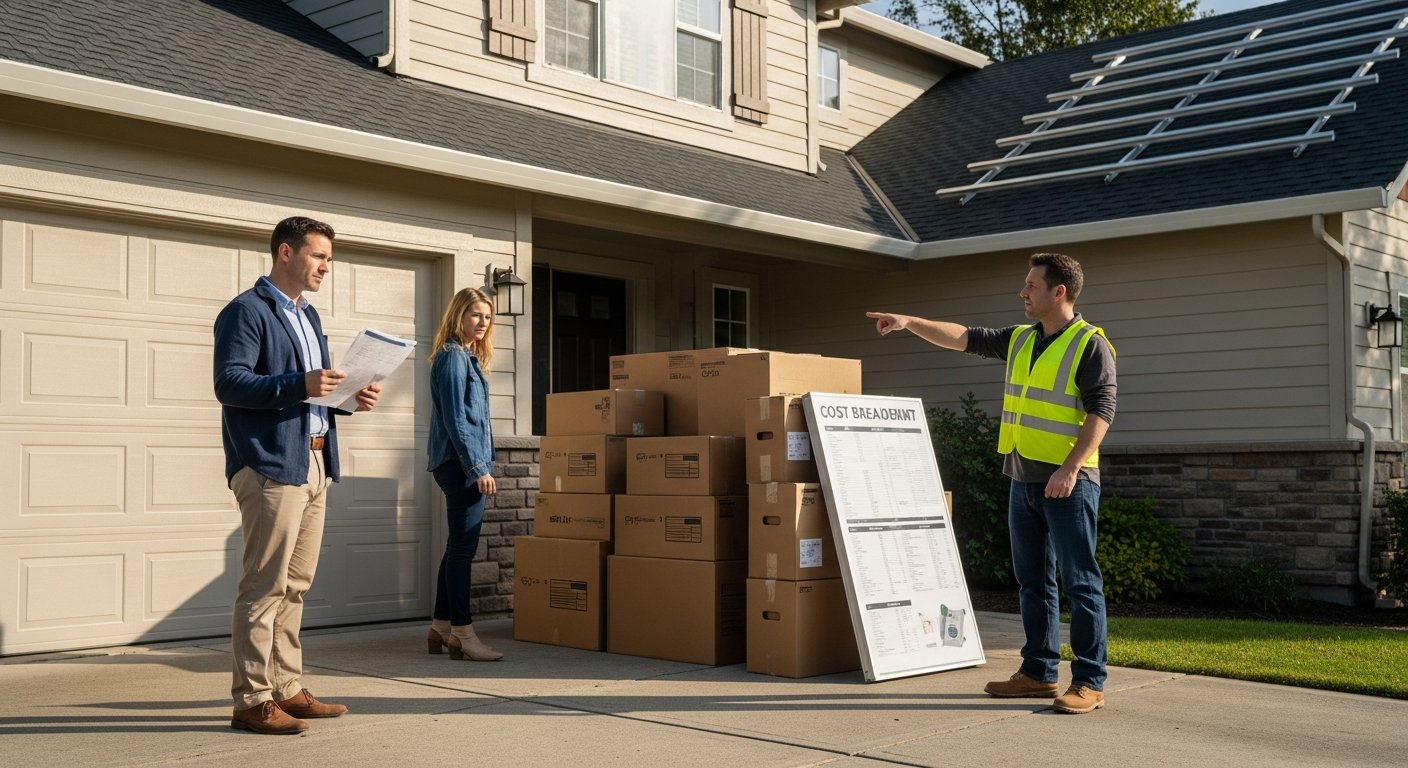
The most immediate obstacle for most homeowners is the upfront cost. A typical residential solar system in the United States costs between $15,000 and $30,000 before incentives. This price includes panels, inverters, wiring, permitting, and professional installation. While federal tax credits and local rebates can reduce this amount, you still need substantial cash or financing to get started. For many families, this initial financial hurdle is the single biggest reason they delay or abandon their solar plans.
Financing options exist, such as solar loans or leases, but they come with their own trade-offs. A loan adds monthly payments that may offset some of your electricity savings. A lease or power purchase agreement (PPA) often requires no money down, but you do not own the system, and the long-term savings are typically smaller. Before signing anything, it is wise to compare the total cost of ownership against your current electric bill over a 20-year period. In our guide on AI tools for solar energy, we explain how to model these scenarios accurately.
Intermittent Power Generation: The Sun Does Not Always Shine
Solar panels only generate electricity when the sun is shining. They produce nothing at night, and their output drops dramatically on cloudy days, during heavy rain, or when covered by snow. This intermittent nature means your system cannot always match your home's energy demand. Without a battery, you must rely on the grid at night and during poor weather. This dependency reduces the promise of true energy independence.
Battery storage systems can solve this problem, but they add significant cost. A home battery like the Tesla Powerwall can cost $10,000 or more, including installation. If you live in an area with frequent power outages or high time-of-use rates, a battery might be worth it. Otherwise, the added expense may not pay for itself. You can also use net metering, where your utility credits you for excess daytime production, but not all states offer favorable net metering policies. This variability is one of the most critical solar energy disadvantages to evaluate before committing.
High Installation and Maintenance Costs
Beyond the panels themselves, installation is not cheap. Roof-mounted systems require structural assessment, roof penetrations, and careful sealing to prevent leaks. If your roof is old or in poor condition, you may need to replace it before installation, adding thousands to the project. Some installers also charge extra for complex roof layouts, such as multiple angles or unusual materials. These costs are often underestimated in initial quotes.
Maintenance is another ongoing expense. Solar panels are generally durable, but they require periodic cleaning to remove dust, leaves, and bird droppings. In dry or dusty climates, cleaning every six months is recommended. Professional cleaning services cost between $150 and $300 per visit. Inverters typically need replacement every 10 to 15 years, costing $1,000 to $2,000. While panels themselves have long warranties, these auxiliary costs can add up over the system's lifetime. For a detailed breakdown of these long-term expenses, see our article on how we use solar energy daily.
Space Requirements: Do You Have Enough Roof?
Solar panels require a significant amount of unobstructed roof space. A typical 6 kW system needs roughly 300 to 400 square feet of south-facing roof. If your roof is shaded by trees, chimneys, or neighboring buildings, the effective area shrinks further. In many urban and suburban homes, the available roof area simply cannot accommodate enough panels to meet the household's full electricity consumption. This forces homeowners to choose between partial offset or no system at all.
Ground-mounted systems are an alternative, but they require a large, sunny, and accessible piece of land. They also involve additional trenching for wiring and often need special permits. For many homeowners, the space constraint is a deal-breaker. Before investing in a feasibility study, measure your roof's dimensions and use online tools to estimate the solar potential based on your location and shading. This preliminary check can save you from disappointment later.
Energy Storage Limitations and Costs
Without storage, your solar system is essentially a daytime-only generator. Batteries are the obvious solution, but they have their own limitations. Most home batteries offer only 10 to 20 kilowatt-hours of usable capacity, which may cover overnight use but not a multi-day outage. During extended cloudy periods, you will still need grid power or a backup generator. Batteries also degrade over time; after 10 years, they may hold only 70% to 80% of their original capacity.
The cost per kilowatt-hour of storage remains high. As of 2026, a fully installed lithium-ion battery system can cost $800 to $1,200 per kWh. A 13.5 kWh battery, for example, might cost $10,000 to $16,000. For many households, the extra expense of storage doubles the total system cost, making the payback period much longer. If your primary goal is to reduce your carbon footprint, you might prefer a grid-tied system without storage, but you will still rely on fossil fuels during non-sunny hours.
Weather Dependence and Geographic Limitations
Solar energy output is heavily dependent on your geographic location. Homes in the southwestern United States receive far more annual sunlight than those in the Pacific Northwest or the Northeast. Even within the same state, microclimates can cause significant differences in production. If you live in an area with frequent fog, heavy cloud cover, or long winters, your system will generate less power than the same system in a sunnier region. This directly impacts your return on investment.
Seasonal variation is another factor. In winter, shorter days and lower sun angles reduce generation. In snowy regions, panels may be covered for days, producing almost nothing. While panels can be tilted to optimize for winter sun, the overall annual output is still lower. When comparing solar quotes, be sure to ask for a production estimate based on historical weather data for your specific address. This will give you a realistic picture of what your system can actually deliver.
Equipment Degradation and Warranty Issues
All solar equipment degrades over time. Panels typically lose about 0.5% to 1% of their efficiency per year. After 25 years, a panel might produce only 75% to 85% of its original rated output. This degradation is normal and is covered by most performance warranties, but it means your savings will gradually decline. Inverters, as mentioned, have a shorter lifespan and are more prone to failure, especially in hot climates where they are exposed to extreme temperatures.
Warranty claims can be a hassle. Many manufacturers require proof of proper installation and maintenance, and some only cover parts, not labor. If your installer goes out of business, you may be left with a system that no one will service. To mitigate this risk, choose a well-established company with a strong track record and a robust service network. Read the warranty terms carefully, and ask about the process for filing a claim. This due diligence can prevent a costly surprise down the road.
Aesthetic Impact and Property Value Concerns
Solar panels are not universally admired for their looks. Some homeowners associations (HOAs) have strict guidelines about panel placement, color, and visibility. Even if your HOA approves, you may find that the panels detract from your home's architectural style. While many buyers see solar as a plus, others may view the panels as an eyesore. This can complicate home sales, especially if the buyer does not want to inherit the system or its associated lease obligations.
Property value impacts are also mixed. Studies show that solar installations can increase home resale value, but the increase is not always proportional to the system's cost. In some markets, appraisers may not give full credit for the system, especially if it is older or has a lease agreement. If you plan to sell in the near future, weigh the potential aesthetic and appraisal issues against the energy savings. In some cases, a solar system can be a liability rather than an asset.
Permitting, Inspection, and Grid Connection Delays
Installing solar is not a quick process. You need to obtain building permits from your local government, which can take weeks or months. After installation, an inspection is required to ensure the system meets all electrical and building codes. Finally, you must coordinate with your utility company for grid connection and net metering approval. Each step involves paperwork, fees, and potential delays.
In some areas, these bureaucratic hurdles are significant. If your utility has a cap on the number of net metering customers, you may be put on a waiting list. If the grid in your neighborhood is old or under-capacity, you may need to pay for upgrades. These delays can push your system's payback period further into the future. To minimize frustration, work with an experienced installer who is familiar with local requirements and can handle the permitting process on your behalf.
Environmental and Health Concerns in Manufacturing
While solar energy is clean during operation, the production of panels involves energy-intensive processes and hazardous materials. Mining for silicon, silver, and other materials has environmental impacts. The manufacturing process uses large amounts of water and electricity, often derived from fossil fuels. Some panels also contain trace amounts of lead and cadmium, which require careful disposal at the end of their life. Recycling programs for solar panels are still in their infancy, so many old panels end up in landfills.
These concerns do not negate the environmental benefits of solar energy, but they are part of the full lifecycle assessment. As a homeowner, you can choose panels from manufacturers that use more sustainable practices and participate in take-back programs. You can also support policies that encourage recycling infrastructure. Being informed about these issues allows you to make a more responsible choice, even as you weigh the solar energy disadvantages.
Higher Costs for Complex Roofs and Older Homes
If your roof is steep, has multiple facets, or is made of unusual materials like slate or clay tiles, installation costs will rise. These roofs require specialized mounting equipment and more labor. Similarly, older homes may have outdated electrical panels that need upgrading to handle the additional load from a solar system. These upgrades can cost $1,000 to $3,000 or more, adding to the overall project cost. Some homes also have insufficient structural support, requiring reinforcement before panels can be safely mounted.
Before getting a quote, have a structural engineer assess your roof and electrical system. This pre-inspection can reveal hidden costs that might otherwise appear later. Some installers include these assessments in their initial quote, but others charge separately. Be sure to ask for a detailed breakdown of any additional charges. This transparency will help you avoid budget overruns and ensure that your solar investment is built on a solid foundation.
Unexpected Costs and System Failures
Even with proper maintenance, solar systems can experience unexpected failures. Inverters are the most common point of failure, but wiring issues, connector problems, and panel micro-cracks can also occur. While most components come with warranties, the labor to diagnose and replace them is not always covered. If your installer goes out of business, finding a qualified technician can be challenging and expensive. This is why choosing a reputable company with a local service presence is crucial.
Insurance is another cost to consider. Your homeowner's policy may need to be updated to cover the solar system, which could increase your premium. Some installers offer their own warranty or maintenance plans, but these add to the upfront cost. To protect your investment, budget for an annual inspection and cleaning, and set aside a small emergency fund for unexpected repairs. By planning for these contingencies, you can avoid financial shocks and keep your system running efficiently for decades.
Ultimately, the decision to go solar is a personal one. The solar energy disadvantages outlined here are significant, but they must be weighed against the long-term financial and environmental benefits. For many homeowners, the savings on electricity bills and the satisfaction of generating clean energy outweigh the costs. For others, the upfront investment and maintenance burdens are too heavy. By understanding all the factors, you can make an informed choice that aligns with your budget, your home, and your values. If you are ready to explore your options, consider using AI to slash your electric bill and get a clearer picture of what solar can do for you.