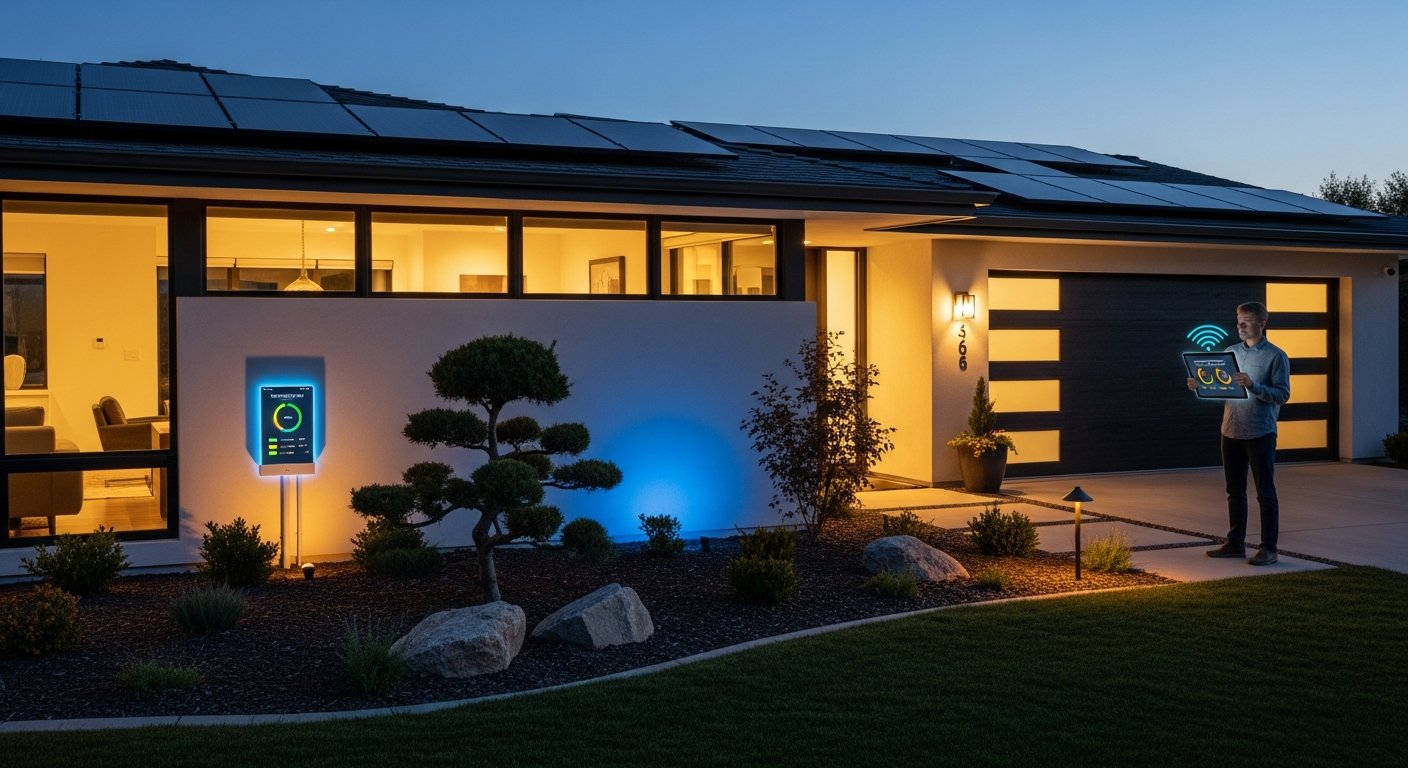
Smart Solar Software: Maximize Savings in 2026
Smart solar software turns your panels into a money-saving powerhouse. Learn how it optimizes energy use and slashes your electric bill.

By Owen Phillips
Learn more about Solar Panel Installation and Repair for guides, costs, and what to expect.
Compare Solar Panel Installation and Repair Pros Near You

Enter your ZIP code to compare top-rated local professionals and request free quotes.
The solar industry has experienced a massive shift over the past decade. Panels are more efficient, batteries are more affordable, and government incentives are more generous than ever. However, the real game changer is not the hardware on your roof; it is the intelligence that manages it. Smart solar software has emerged as the essential bridge between a static solar installation and a dynamic, money-saving energy system. This technology analyzes production, consumption, and utility rates in real time, allowing homeowners and businesses to make decisions that significantly lower their electricity bills. For anyone considering solar or looking to optimize an existing array, understanding this software is no longer optional. It is the key to unlocking the full potential of your investment.
In this guide, we will explore how smart solar software works, why it is essential for both new and existing solar owners, and how it integrates with the broader ecosystem of home energy management. We will also look at the financial and environmental benefits, and how tools like those offered by SolarEnergy.ai can help you make the most informed decisions. By the end, you will see why the most successful solar adopters are not those with the biggest panels, but those with the smartest software.
What Is Smart Solar Software?
At its core, smart solar software is a digital platform that monitors, controls, and optimizes solar energy systems. It collects data from your solar panels, inverter, battery storage, and smart meters, then uses algorithms and machine learning to make intelligent decisions about energy usage. This goes far beyond a simple monitoring app that shows how much power you are generating. The software actively manages your energy flow, deciding when to use solar power directly, when to charge your battery, and when to sell excess electricity back to the grid. It can even predict your future energy consumption based on historical patterns and weather forecasts, ensuring you always have power when you need it and never pay more than necessary.
The best smart solar software is not a one-size-fits-all solution. It adapts to your specific utility rate structure, whether you are on a time-of-use plan, a flat rate, or a demand charge model. For example, if your utility charges more for electricity during peak evening hours, the software will store solar energy in your battery during the day and discharge it in the evening, avoiding expensive grid power. This level of automation is impossible to achieve manually, and it is the primary reason why solar plus storage plus smart software is becoming the gold standard for home energy management.
Moreover, smart solar software is not just about saving money. It also provides valuable insights into your system's health and performance. You can see exactly how much energy each panel is producing, receive alerts if a panel underperforms, and track your carbon footprint reduction. This transparency builds confidence and ensures your system is always operating at peak efficiency. For a deeper dive into the components of a smart system, you might find our guide on smart solar energy systems helpful.
Why You Need Smart Solar Software
If you already have solar panels, you might wonder if adding software is worth the extra cost. The answer is a resounding yes. In most cases, smart solar software pays for itself within the first year through increased savings and system optimization. Here are the primary reasons why this technology is essential:
- Maximize Self-Consumption: The software ensures you use the solar power you generate rather than buying from the grid. It shifts energy-intensive tasks like running the dishwasher or charging your EV to times when your panels are producing the most.
- Optimize Battery Usage: It intelligently charges and discharges your battery based on your usage patterns and utility rates, extending battery life and ensuring you have backup power during outages.
- Reduce Peak Demand Charges: For commercial users, the software can lower demand charges by staggering heavy equipment usage, preventing spikes that inflate your bill.
- Provide Real-Time Alerts: It detects system issues immediately, from a tripped breaker to a failing inverter, so you can fix them before they lead to significant energy losses.
Beyond these operational benefits, smart solar software also simplifies the process of monitoring your energy independence. It gives you a clear, real-time picture of your energy flows, making it easier to understand your consumption patterns and identify areas for improvement. For example, you might discover that your HVAC system is using more energy than expected, prompting you to adjust your thermostat schedule. This level of insight is invaluable, and it is only possible with advanced software.
Furthermore, as the electrical grid becomes more complex and utilities introduce new rate structures, smart solar software becomes a critical tool for navigating those changes. It can automatically adapt to new tariffs, ensuring you always choose the most cost-effective energy source. In a world where energy prices are volatile and unpredictable, this adaptability is a significant advantage.
Key Features of Smart Solar Software
Not all smart solar software is created equal. When evaluating different platforms, there are several key features you should look for to ensure you are getting the most value. These features can be broadly categorized into monitoring, optimization, and integration, and each plays a vital role in the overall performance of your solar system.
First, comprehensive monitoring is the foundation. This includes real-time production data, consumption data, and battery status. Look for software that offers a user-friendly dashboard, either on a mobile app or a web portal, that displays this information clearly. Advanced platforms also offer historical data analysis, allowing you to see trends and compare performance month over month. This is not just about seeing how much you generated today; it is about understanding the long-term health of your system.
Second, optimization features are what set smart software apart from simple monitoring. This includes automated scheduling, load shifting, and battery management. The software should be able to learn your daily routines and create an optimal energy usage plan without requiring manual input. For instance, it might pre-cool your home in the afternoon using solar power, so your AC runs less during the expensive evening hours. It should also be able to manage multiple energy sources, including grid, solar, and battery, seamlessly.
Third, integration capabilities are crucial. The best software can connect with other smart home devices, such as thermostats, EV chargers, and smart appliances. This allows for a holistic energy management system where all devices work together. For example, the software can delay your EV charging until your solar panels are producing peak power, or it can adjust your water heater's schedule to align with solar production. This level of integration maximizes your savings and convenience, turning your home into a single, coordinated energy unit.
Finally, consider the software's ability to provide actionable insights and reports. A good platform will not only show you data but also explain what it means and suggest improvements. It might recommend adding more battery capacity, adjusting your panel tilt, or upgrading an inefficient appliance. These insights can be invaluable for long-term planning and investment decisions.
How Smart Solar Software Works with Your Utility
One of the most complex aspects of solar energy is the relationship with your utility company. Net metering policies vary widely, and some utilities are moving towards time-of-use rates or demand charges. Smart solar software is designed to navigate these complexities, ensuring you are always on the most favorable rate structure and never overpaying for electricity. It does this by continuously analyzing your utility's tariff and your own usage data, then optimizing your energy flows accordingly.
For example, if you are on a net metering plan where you receive credits for excess energy sent to the grid, the software will prioritize selling excess power during the day when your panels are producing the most. However, if your utility offers a lower buyback rate for solar exports, the software might instead charge your battery and use that stored energy at night, rather than sending it to the grid. This decision-making process is dynamic and happens in real time, based on the specific rules of your utility and your personal consumption patterns.
Understanding these dynamics is crucial for maximizing your financial returns. A good smart solar software platform will also keep you informed about changes in your utility's policies, alerting you to new rate structures or incentive programs that could benefit you. This proactive approach ensures that you are always in the best position to save money, even as the regulatory landscape evolves. For a more detailed explanation of how these systems interact with the grid, you can read about what a smart solar grid is and how it cuts your bills.
Real-Time Rate Optimization
Real-time rate optimization is a standout feature of advanced smart solar software. It involves analyzing your utility's rate schedule, which can change seasonally or even by time of day, and adjusting your energy usage to minimize costs. For instance, if your utility increases rates during a summer heatwave, the software will automatically shift your consumption to off-peak times or discharge your battery during the high-rate period. This is not just about saving a few cents; it can mean significant savings over the course of a year, especially for high-consumption households.
This capability is particularly important for businesses, where every kilowatt-hour counts. A commercial solar system with smart software can reduce demand charges by staggering the operation of heavy machinery, and it can ensure that the facility uses its own solar power rather than drawing from the grid during peak times. This can lead to substantial reductions in operating costs, improving the bottom line.
For homeowners, the benefits are equally compelling. The software can orchestrate a symphony of energy use: it might run your pool pump at noon when solar is abundant, charge your EV in the afternoon, and use battery power in the evening to avoid peak rates. All of this happens automatically, without you having to think about it. This is the essence of smart home technology, and it is only possible because of the sophisticated algorithms embedded in modern solar software.
Financial and Environmental Benefits
The financial benefits of smart solar software are tangible and often dramatic. According to the U.S. Department of Energy, households with solar plus storage and smart controls can reduce their grid consumption by up to 95% during peak hours. This translates directly into lower utility bills, often by hundreds of dollars per year. Additionally, the software helps you take full advantage of federal tax credits and other incentives by ensuring your system is sized and operated optimally. For example, if you are considering adding a battery, the software can model the payback period and show you how much you will save over time, helping you make an informed decision.
Beyond the financial savings, there is a significant environmental impact. By maximizing your use of solar energy and reducing reliance on fossil fuels, you are lowering your carbon footprint. Smart software also helps to reduce strain on the grid during peak demand, which can prevent the need for utilities to fire up polluting backup power plants. This is a collective benefit that extends beyond your own home, contributing to a cleaner and more resilient energy system for everyone.
Moreover, smart solar software can increase the value of your home. A well-monitored and optimized solar system is a selling point for environmentally conscious buyers. The ability to show a detailed history of energy production and savings can be a powerful negotiation tool. As smart home technology becomes more prevalent, having an integrated energy management system is becoming as attractive as a renovated kitchen or a new roof. It signals that the home is modern, efficient, and forward-thinking.
One of the most practical benefits is the ability to avoid surprise bills. Without smart software, you might be unaware of a faulty panel or an unexpected increase in your energy usage until the bill arrives. With real-time monitoring, you are alerted to issues immediately, allowing you to address them before they become costly problems. This proactive approach to energy management is not just about saving money; it is about gaining peace of mind and control over your home's energy future.
Choosing the Right Smart Solar Software
With the growing popularity of smart solar software, there are now many options on the market. The right choice depends on your specific needs, your existing solar setup, and your budget. When evaluating different platforms, consider the following factors:
- Compatibility: Ensure the software is compatible with your solar inverter, battery, and any other smart devices you own. Some platforms are proprietary, while others are open-source and can connect with a wide range of equipment.
- Ease of Use: The interface should be intuitive and easy to navigate. You should not need a degree in electrical engineering to understand your energy data. Look for a clean design with clear graphs and alerts.
- Cost: Some software is available for free from your inverter manufacturer, while others require a monthly subscription. Weigh the cost against the potential savings. A paid system might offer more advanced features and better support.
- Customer Support: Good customer support is essential, especially if you encounter technical issues. Look for a provider that offers responsive support via phone, email, or chat.
For many homeowners, the easiest path is to choose a software platform that is tightly integrated with their solar equipment. For example, if you have a Tesla Powerwall, the Tesla app is a natural choice. However, if you want more flexibility and advanced optimization, you might consider a third-party platform like Sense or Emporia. These can provide deeper insights and more granular control over your energy usage. For those working with a solar installer, they may offer a proprietary software solution as part of their package, and it is worth asking about the features and capabilities of that software before signing a contract.
It is also important to consider the future. As your energy needs evolve, your software should be able to grow with you. If you plan to add more panels, a second battery, or an EV charger, make sure the software can handle these additions. Upgrading your software later can be a hassle, so it is wise to invest in a scalable solution from the start. The goal is to find a platform that not only meets your current needs but also supports your long-term energy independence journey.
Integrating Smart Solar Software with SolarEnergy.ai
As you explore the world of smart solar software, you will likely need professional guidance to select and install the right system for your home. This is where SolarEnergy.ai can help. As a comprehensive platform for solar education and services, SolarEnergy.ai connects homeowners with vetted solar installers who can provide expert advice on the latest software and hardware. They also offer tools like energy surveys and cost calculators to help you estimate your potential savings and make informed decisions.
SolarEnergy.ai is not just about information; it is about action. Their network of partners can help you design a smart solar system that includes the software you need to maximize your return on investment. Whether you are a homeowner looking to cut your bills or a business aiming to reduce overhead, their team can guide you through the process. By leveraging their expertise, you can avoid the common pitfalls of solar adoption, such as choosing an undersized system or missing out on incentives. For a more in-depth look at how smart systems can help you save money and gain energy independence, check out our detailed smart solar energy systems guide.
Moreover, SolarEnergy.ai provides up-to-date information on government incentives and policy changes, ensuring you are always aware of the financial support available to you. Their team can help you navigate the complex landscape of tax credits, rebates, and net metering policies, making sure you take full advantage of every opportunity. This is especially valuable in a rapidly changing regulatory environment, where new programs are announced regularly.
Ultimately, integrating smart solar software into your home is an investment in your financial future and the environment. With the right software and the right partner, you can achieve true energy independence and enjoy the peace of mind that comes from knowing your energy system is working as efficiently as possible. Whether you are just starting your solar journey or looking to upgrade an existing system, now is the perfect time to embrace the power of smart solar technology.
Common Mistakes to Avoid
As with any technology, there are common pitfalls that can undermine the benefits of smart solar software. Being aware of these can save you time, money, and frustration.
- Neglecting Firmware Updates: Just like your smartphone, solar software needs regular updates to fix bugs and improve performance. Ignoring these updates can lead to reduced efficiency or missed features.
- Choosing the Wrong Software: Some homeowners opt for the cheapest solution, only to find that it lacks the features they need. Conversely, others buy the most expensive platform without needing its advanced capabilities. It is important to assess your actual energy needs and choose accordingly.
- Not Leveraging Data: The software is only useful if you actually use it. Many people install it and then ignore the data, missing out on opportunities to optimize their energy usage. Make it a habit to check your dashboard regularly and act on the insights provided.
- Forgetting About Battery Management: If you have a battery, the software should be set to maximize its lifespan and efficiency. Some homeowners let the battery drain completely, which can reduce its capacity over time. Proper management is key to long-term performance.
Avoiding these mistakes requires a proactive approach. Take the time to learn about your software's features and settings, and do not hesitate to reach out to customer support if you have questions. The more you engage with the system, the more you will benefit from it. It is also wise to periodically review your energy usage and compare it to your system's performance to ensure everything is working as expected.
Another common mistake is failing to integrate your solar software with other smart home devices. For maximum savings, your solar system should communicate with your thermostat, EV charger, and appliances. If you have separate apps for each, you are missing out on the synergy that a comprehensive energy management platform can provide. Consider consolidating your smart home ecosystem to simplify control and improve efficiency.
The Future of Smart Solar Software
The future of smart solar software is incredibly promising. As artificial intelligence and machine learning continue to advance, these platforms will become even more predictive and autonomous. We can expect to see systems that can forecast weather patterns with high accuracy, adjust energy storage in anticipation of storms, and even participate in virtual power plants, where homeowners can sell excess energy back to the grid in real time. This will create new revenue streams for solar owners and further enhance the value of their investment.
Moreover, the integration of blockchain technology could enable peer-to-peer energy trading, allowing neighbors to buy and sell solar energy from each other without a central utility. This would democratize the energy market and promote the use of renewable energy at the community level. Smart solar software will be at the heart of this revolution, managing the transactions and ensuring the grid remains stable.
As these technologies evolve, the role of smart solar software will become even more central to the energy ecosystem. It will no longer be a luxury add-on but a fundamental component of any solar installation. Homeowners who embrace this technology today will be well-positioned to benefit from the innovations of tomorrow. They will have a system that is not only intelligent but also adaptable, ready to take advantage of new opportunities as they arise.
For now, the immediate benefits are clear: lower bills, greater energy independence, and a reduced carbon footprint. By investing in smart solar software, you are not just making a purchase; you are making a commitment to a more sustainable future. And with the support of platforms like SolarEnergy.ai, you can make that commitment with confidence, knowing you have the information and resources you need to succeed.
In conclusion, smart solar software is not just a nice-to-have; it is a must-have for anyone serious about maximizing their solar investment. It transforms a static array of panels into a dynamic, intelligent energy system that works for you around the clock. Whether you are a homeowner looking to cut your bills or a business aiming to reduce operating costs, the benefits are undeniable. Take the time to research your options, choose a platform that fits your needs, and start enjoying the rewards of truly smart solar energy.
Learn more about Solar Panel Installation and Repair for guides, costs, and what to expect.
Compare Solar Panel Installation and Repair Pros Near You
Enter your ZIP code to compare top-rated local professionals and request free quotes.