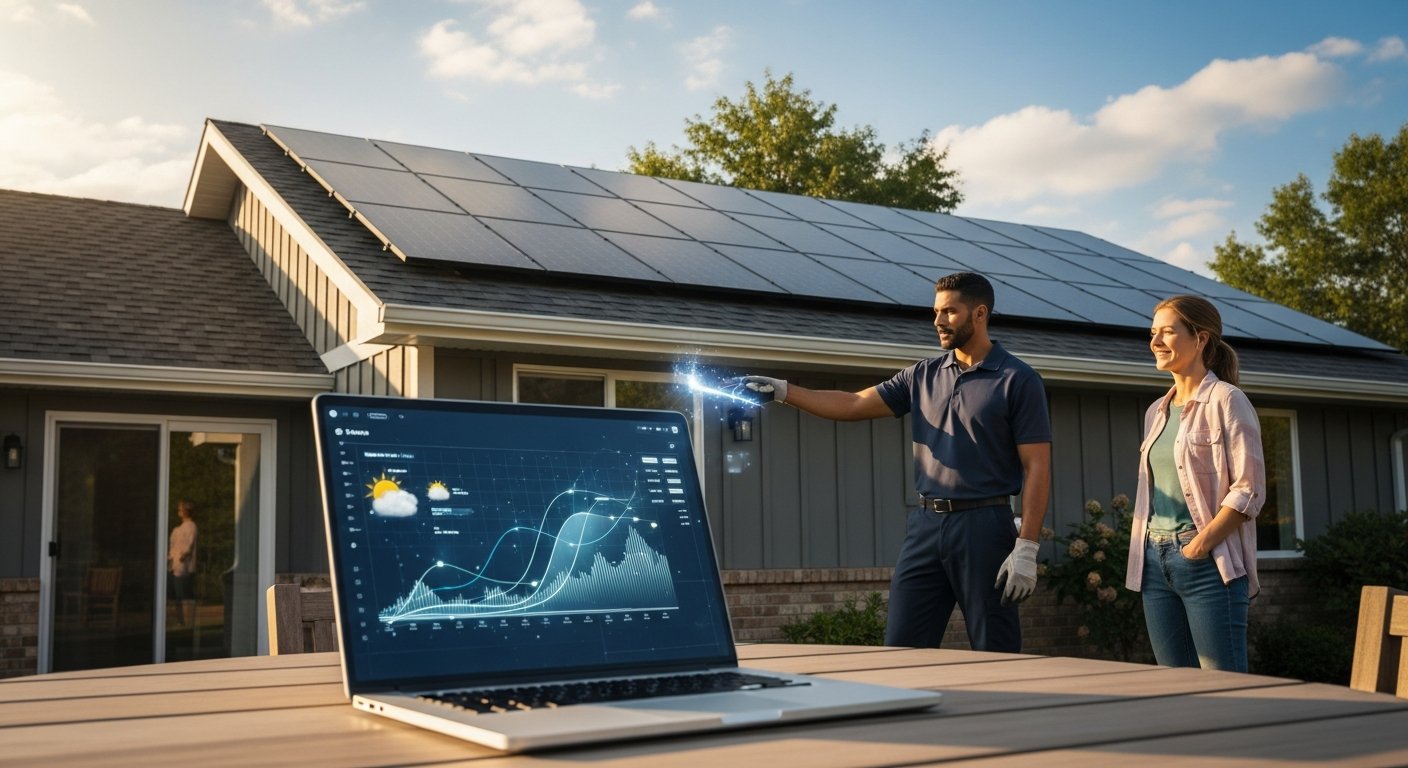
Machine Learning for Solar Energy: Smarter Power Use
Machine learning for solar energy optimizes panel output, predicts weather, and cuts bills with smart automation.

By Ethan Contributor
Learn more about Solar Panel Installation and Repair for guides, costs, and what to expect.
Compare Solar Panel Installation and Repair Pros Near You

Enter your ZIP code to compare top-rated local professionals and request free quotes.
Solar panels have become a familiar sight on rooftops across America, yet the journey from sunlight to savings is far more complex than it appears. The difference between a good solar investment and a great one often comes down to how intelligently the system is managed. This is where machine learning for solar energy is reshaping the industry, turning static arrays of panels into dynamic, self-optimizing power plants. By analyzing vast streams of data, machine learning algorithms can predict energy production, detect faults before they cause outages, and balance consumption in real time. For homeowners and businesses alike, this technology is not a distant concept; it is a practical tool that is already reducing bills and improving reliability.
At its core, machine learning uses historical data and pattern recognition to make forecasts and decisions without being explicitly programmed for every scenario. In the solar sector, this means a system that learns from weather patterns, your household's energy habits, and even the specific orientation of your panels. The result is a smarter energy ecosystem that adapts to changing conditions, rather than a static installation that operates blindly. As you read on, you will see how these algorithms work in practice, what they mean for your wallet, and how to access these benefits through your own solar setup.
The Role of Machine Learning in Solar Forecasting
Solar power is inherently variable, dependent on cloud cover, seasonal changes, and even air quality. Traditional forecasting methods often struggle to account for these rapid fluctuations, leading to inaccurate predictions of energy output. Machine learning for solar energy excels in this area because it can process multiple data streams simultaneously, including satellite imagery, local weather station reports, and historical production data from your own panels. By identifying subtle correlations that human analysts might miss, these models can forecast energy generation with remarkable accuracy, often up to several days in advance.
For a homeowner, this accuracy translates into better decisions about when to run heavy appliances like washing machines or electric vehicle chargers. If the forecast predicts a sunny afternoon, the system might advise you to delay laundry until then, maximizing the use of free solar power rather than drawing from the grid. On a larger scale, utilities use these forecasts to balance supply and demand, reducing the need for polluting backup power plants. The technology is not just about convenience; it is a cornerstone of a more resilient and sustainable energy grid.
Optimizing Solar Panel Performance with AI
Beyond forecasting, machine learning plays a crucial role in the day-to-day operation of solar arrays. Panels can lose efficiency due to dirt, shading from growing trees, or even minor electrical faults. A machine learning system continuously monitors the output of each panel, comparing it against expected performance based on current conditions. When a deviation is detected, the system can alert you or your installer to a potential issue, allowing for proactive maintenance rather than reactive repairs. This approach, often called predictive maintenance, can extend the life of your system and ensure it operates at peak efficiency.
One of the most significant applications is in solar battery storage. Batteries are expensive, and managing their charge and discharge cycles is critical to maximizing their lifespan and your savings. Machine learning algorithms analyze your energy consumption patterns, solar production forecasts, and utility rate structures to determine the optimal times to charge and discharge the battery. For example, the system might store excess solar energy during the day and discharge it during peak evening hours when electricity rates are highest, effectively shifting your energy usage to save money. This intelligent management is a key differentiator for modern solar installations.
Practical Example: A Day with AI-Managed Solar
Consider a typical homeowner with a 6 kW solar array and a 10 kWh battery. Without machine learning, the system might simply charge the battery when the sun shines and use it when the sun sets. With machine learning, the system reviews the weather forecast and sees that tomorrow will be overcast. It then adjusts the battery to retain more energy today, ensuring you have sufficient backup for the cloudy day. It also shifts non-essential loads, like your pool pump or water heater, to times when solar production is expected to be highest. This level of foresight is what separates a good solar system from a truly intelligent one.
Machine Learning for Solar Energy in Home Energy Management
The integration of machine learning extends beyond the solar array itself to encompass the entire home energy ecosystem. Smart home devices, such as thermostats, lighting controls, and smart plugs, can all communicate with a central AI system. This system learns your daily routines, preferences, and energy usage patterns, then automatically adjusts settings to minimize waste and maximize solar consumption. For instance, it might pre-cool your home in the afternoon using solar power, so the air conditioner runs less during the expensive evening peak. The result is a seamless, automated approach to energy savings that requires no effort on your part.
For those considering solar, understanding these capabilities is essential. In our guide on how to use AI for solar energy to slash your electric bill, we detail how these systems can be configured to deliver maximum financial return. The key is to choose an installer who not only installs panels but also sets up the appropriate monitoring and control software. Without this layer of intelligence, you are leaving potential savings on the table. A well-integrated AI system can reduce your grid dependence by 20-30% compared to a non-managed system, according to industry studies.
Fault Detection and System Health Monitoring
Solar panels are generally reliable, but they are not immune to problems. Inverter failures, micro-cracks in cells, and wiring issues can all lead to reduced output. The challenge is that these issues are often invisible to the homeowner, and the system may continue to operate at a lower capacity without any obvious signs. Machine learning for solar energy addresses this by creating a baseline of expected performance for your specific system. Any deviation from that baseline triggers an alert, allowing you to address the issue before it results in significant energy loss. This proactive approach is far more effective than annual inspections, which may miss intermittent problems.
The technology also helps with the long-term degradation of panels. All solar panels lose efficiency over time, but the rate can vary based on environmental factors. Machine learning models can track this degradation curve, providing you with an accurate estimate of your system's future output. This information is valuable for financial planning, as it helps you project your long-term energy savings and determine if additional panels or battery capacity might be needed in the future. For businesses with large solar installations, this kind of predictive analytics is essential for maintaining operational efficiency and managing capital expenditure.
Key Benefits of AI-Enhanced Solar Systems
When you combine all these capabilities, the benefits of integrating machine learning into your solar setup become clear. Here are the most impactful advantages:
- Increased Energy Savings: By optimizing consumption and battery usage, AI can significantly lower your grid electricity purchase.
- Reduced Maintenance Costs: Predictive maintenance catches issues early, preventing costly failures and downtime.
- Extended Equipment Lifespan: Intelligent battery management and system monitoring help your components last longer.
- Greater Energy Independence: Smart forecasting and storage allow you to rely less on the utility grid, especially during peak hours.
- Environmental Impact: Maximizing your solar usage reduces reliance on fossil fuels, shrinking your carbon footprint.
These benefits are not just theoretical. Many solar installers now offer AI-based monitoring as a standard feature, and the technology is becoming more accessible to the average homeowner. The initial cost of adding a smart controller or advanced inverter is often offset by the additional savings within the first few years. As the technology matures, we can expect these systems to become even more intelligent, perhaps even predicting your energy needs based on your calendar or the weather forecast.
The Future of AI in the Solar Industry
The application of machine learning in solar energy is still in its early stages, but the trajectory is clear. We are moving toward a future where every solar panel is connected, communicating, and optimizing its performance in real time. This is not just about individual homes; it is about creating a smart grid where millions of distributed solar systems work together to balance supply and demand. Machine learning will be the brain that coordinates this complex dance, ensuring that renewable energy is used as efficiently as possible.
For homeowners, this means that investing in solar today is not just about the immediate savings. It is about future-proofing your home for a world where energy management is increasingly automated. When you choose a solar provider, it is wise to ask about their AI capabilities and how they plan to integrate new technologies as they emerge. A forward-thinking provider will not only install panels but also set you up with a system that can adapt and improve over time. To see how these technologies are applied in practice, you can review our analysis of AI tools for solar energy to save more on your electric bill.
Getting Started with AI-Optimized Solar
If you are considering solar for your home or business, the time to think about machine learning is now, not later. The first step is to ensure that any solar quote you receive includes a robust monitoring and management platform. Ask your installer about the specific AI features they offer, such as predictive weather integration, battery optimization, and fault detection. A reputable installer should be able to explain how these features will benefit you in simple terms, without resorting to technical jargon.
You should also consider your own energy habits. Are you home during the day, or are you away at work? Do you have an electric vehicle that needs charging? These factors will influence how the AI system is configured. A good installer will conduct a thorough energy audit and tailor the system to your specific needs. For a deeper understanding of how solar energy fits into daily life, our guide on how we use solar energy daily provides useful context. The investment in AI-enhanced solar is an investment in efficiency, reliability, and peace of mind.
In summary, machine learning for solar energy is transforming the way we generate and consume power. It is making solar systems smarter, more efficient, and more cost-effective than ever before. Whether you are a homeowner looking to cut your electric bill or a business aiming to reduce operational costs, the integration of AI into your solar strategy is a move that pays dividends for years to come. The technology is here, it is proven, and it is ready to power a cleaner, more intelligent future.